

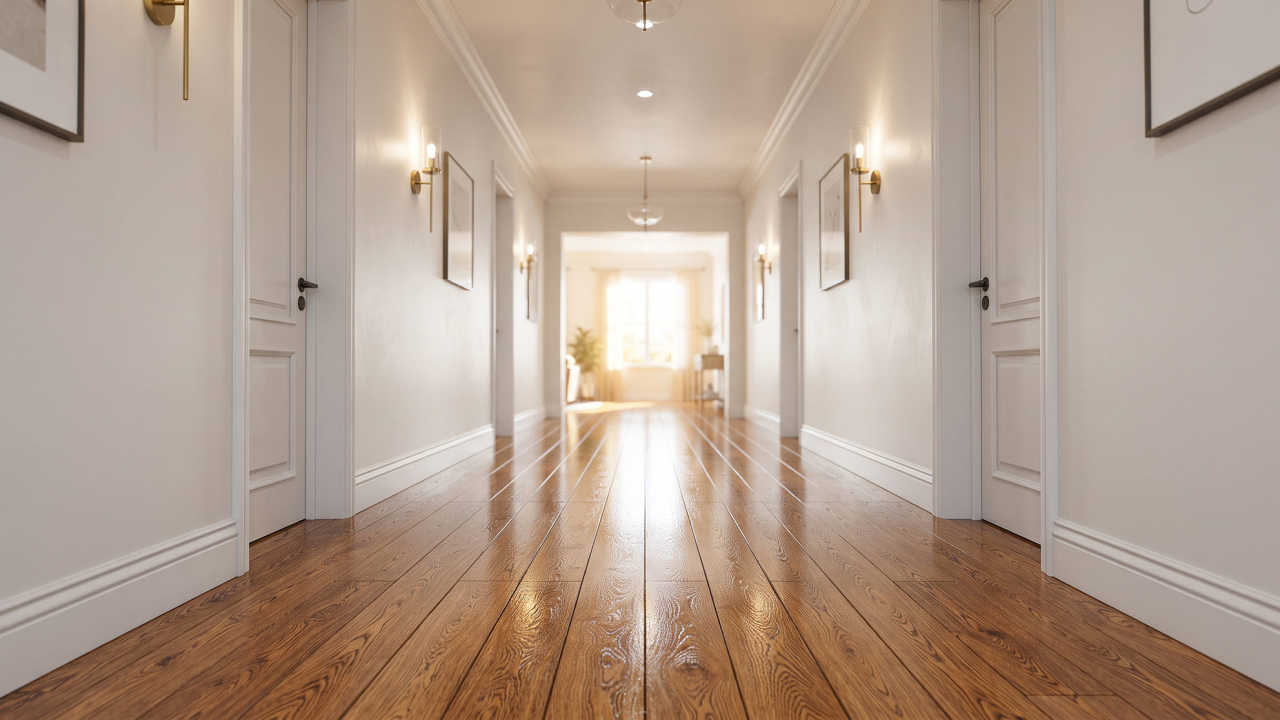
For years, home renovators were advised to keep hardwood out of the kitchen due to moisture concerns. Modern floor finishes and engineered construction have changed that dynamic entirely. Today, real hardwood flooring is one of the most sought-after features in modern kitchen design. It adds organic warmth, natural character, and visual continuity across open floor plans. Achieving a balanced look requires careful coordination between your flooring tone and cabinet style.
Choosing the Right Hardwood Type for Kitchen Environments
When selecting hardwood for a kitchen, stability and protective finishes are essential. Engineered hardwood is often the top recommendation for kitchen spaces because its layered structure handles minor temperature fluctuations and ambient moisture better than solid wood. Look for species with higher Janka hardness ratings, such as white oak, hickory, or hard maple. These species resist denting from dropped cookware or heavy foot traffic. Additionally, opting for factory-applied, matte polyurethane finishes helps hide minor scratches while creating a strong seal against accidental surface spills.
Pairing Light Cabinets with Dark Hardwood
Combining bright cabinets with deep wood floors creates striking visual contrast. White, cream, or light grey cabinets sitting atop walnut, dark oak, or espresso-stained hardwood establish a grounding effect that prevents a light kitchen from feeling washed out. To keep this look cohesive, maintain consistency in undertones. If your white cabinets have cool undertones, pair them with a cooler, ash-toned dark floor. Warm off-white cabinets align better with rich, brown stains containing subtle warm accents.
Pairing Dark Cabinets with Light Hardwood
Dark cabinetry—such as navy blue, forest green, charcoal, or deep espresso—makes a bold design statement. Balancing dark cabinetry requires a lighter foundation to prevent the room from feeling cramped or dim. Light natural oak, clear maple, or pale ash flooring reflects ambient light back into the space, keeping the room open and inviting. The natural grain pattern of light hardwood adds subtle texture beneath solid dark cabinet doors, softening the overall aesthetic.
Grain Patterns and Cabinet Door Styles
The level of detail in your wood floor should complement the complexity of your cabinetry. Busy wood grain patterns, such as heavily charactered hickory or distressed oak with knots, pair best with simpler cabinet profiles like clean Shaker doors or flat-panel designs. This prevents the space from looking visually chaotic. Conversely, smooth-grained woods like maple or clear-grade oak allow room for more intricate cabinet door profiles, ornate molding, or detailed decorative hardware.
Maintaining Hardwood Beauty in High-Traffic Spaces
Integrating hardwood into your kitchen requires simple, consistent habits to preserve the floor's integrity. Place absorbent, non-rubber-backed mats in front of high-use areas like the sink, dishwasher, and refrigerator to catch stray water droplets. Clean spills immediately to prevent liquid from settling into plank seams. Sweeping or vacuuming regularly with a hard-floor attachment removes abrasive dirt and grit before it can dull the top protective coat.
Combining hardwood floors with complementary cabinetry elevates your kitchen into an inviting space designed for both daily life and entertaining. Choosing compatible tones, finishes, and wood species ensures your investment remains durable and attractive for years to come.


